

Wood and timber have been essential in building and crafting since ancient times, especially in China where they were valued for their quality and workability. Over the centuries, the construction industry has honed woodworking skills, tools, and techniques, influencing various aspects of life and architecture. In Macau, “Seong Ka” represents a collective of building trades, now including wood carpentry, cement work, and painting. Seong Ka carpentry is renowned for its detailed techniques and cultural importance, playing a crucial role in preserving Chinese heritage and contributing to Macau’s socio-cultural landscape.
In Macau’s woodworking history, “Seong Ka” (Upper Frame) and “Ha Ka” (Lower Frame) were the main classifications, with “Seong Ka” involving carpentry for the upper parts of ships and “Ha Ka” for ship hulls. Over time, these terms have come to represent different sectors: Upper Frame for construction, Middle Frame for transportation, and Lower Frame for shipbuilding. The “Seong Ka” technique continues to use traditional Chinese woodworking methods, mainly for constructing wooden structures in Chinese-style buildings, incorporating a wide range of building techniques and traditions.
The woodworking process in Macau is comprehensive, involving design, material selection, and a range of tasks requiring specialised tools and precision, especially for mortise and tenon joints. Wood is a fundamental aspect of Macau’s architecture, integral to both structural and decorative elements. While modern architecture has seen a decline in wooden structures, traditional Chinese carpentry can still be found in restoration, furniture making, and interior design.


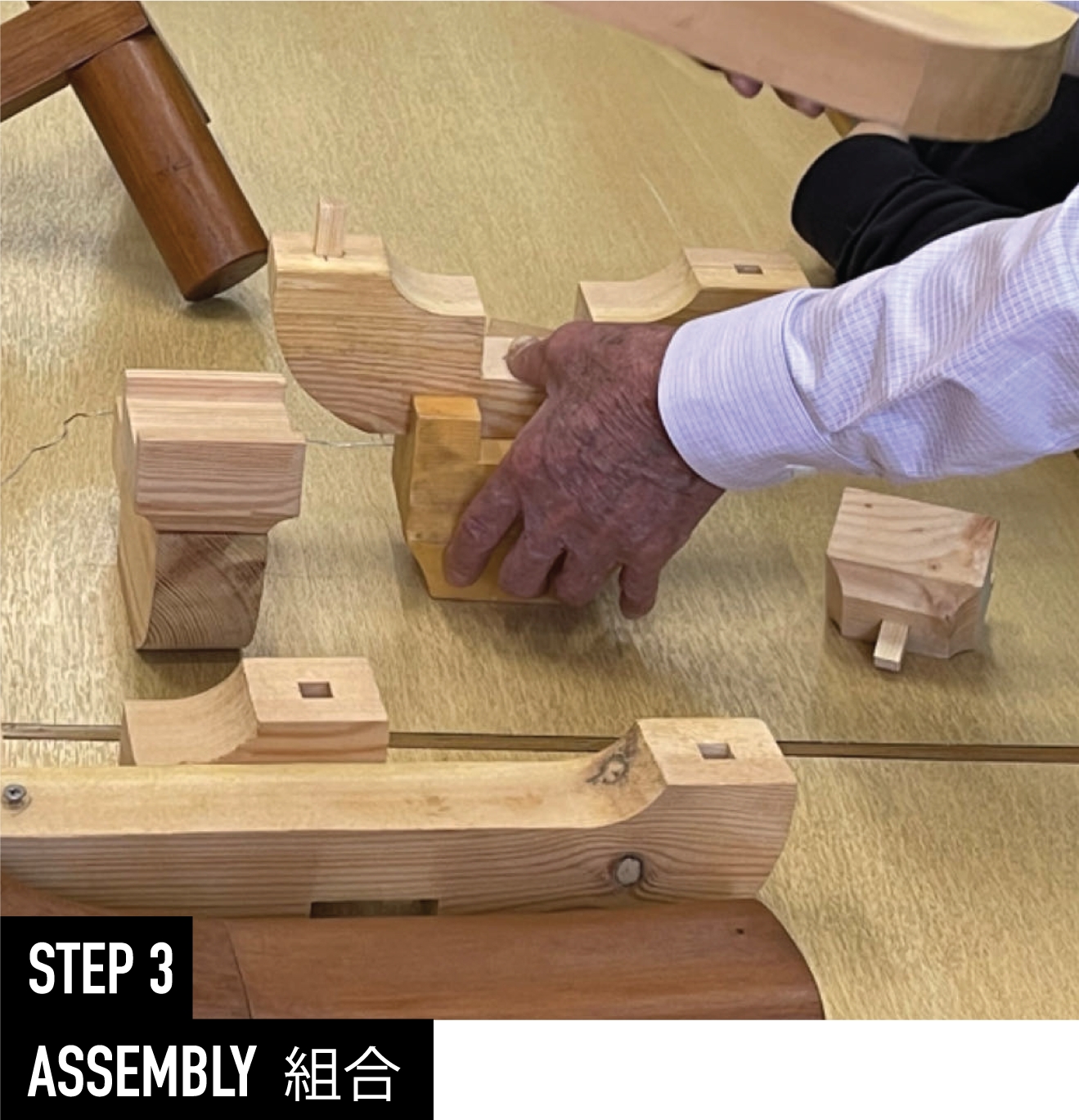
Collaborate with the client to finalize materials, structure, and details, using sketches to plan the assembly without non-wooden reinforcements.
Process lumber to match the design, including precise cutting, planning for smoothness, and drilling, focusing on creating mortise and tenon joints.
Carefully join the components, ensuring a strong and visually harmonious structure with well-integrated joints.
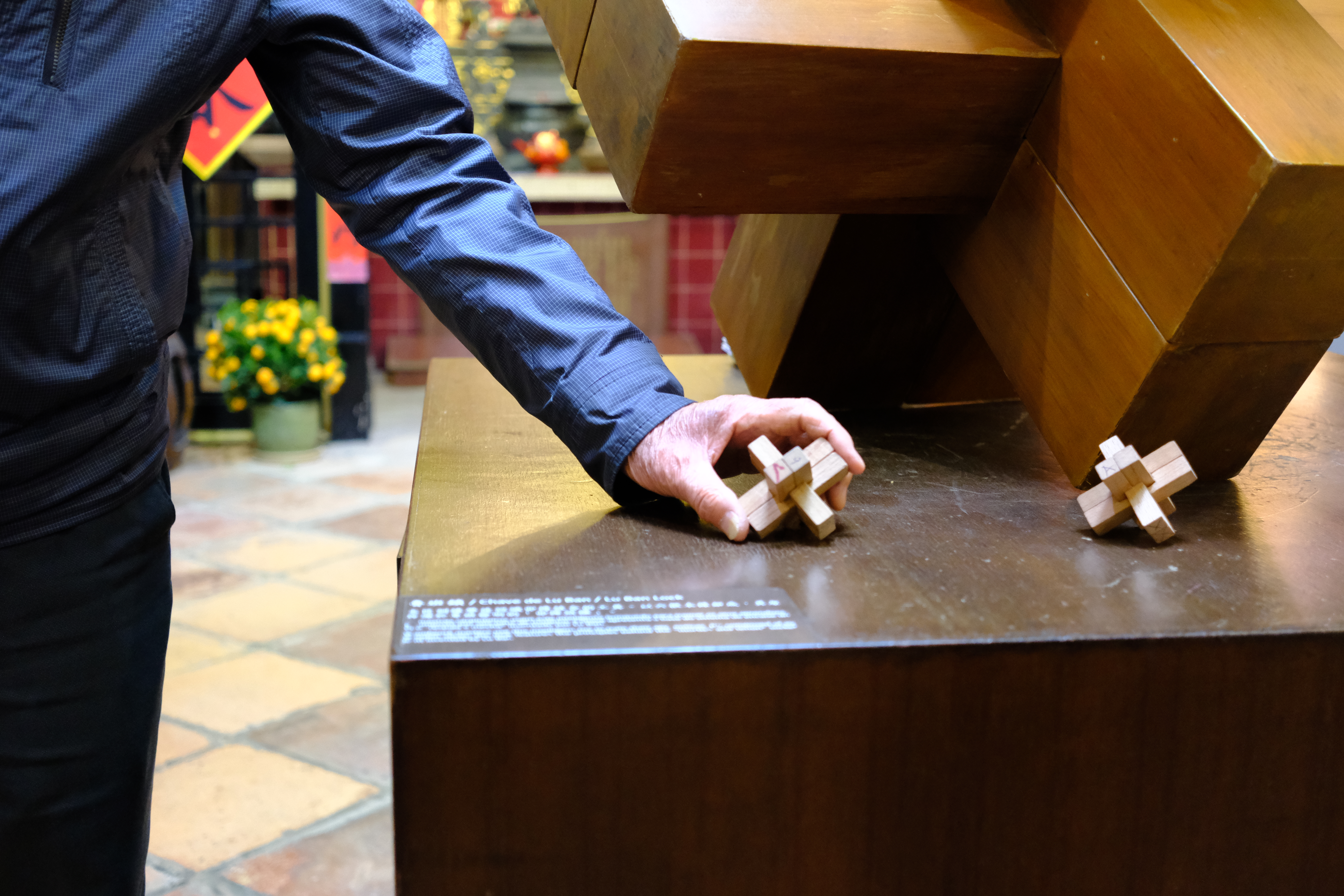
Seong Ka carpentry, rooted in tradition and patience, has evolved from its significant role in wood structure construction to a niche in modern architecture and engineering. Despite the shift towards reinforced concrete in Macau’s post-mid-20th-century architecture, Seong Ka’s nail-free joinery remains a symbol of cultural heritage, now mainly used in historical restoration. Recognized as intangible cultural heritage, it continues to thrive through a dedicated guild in Macau, promoting its legacy and craftsmanship through various community and educational initiatives.
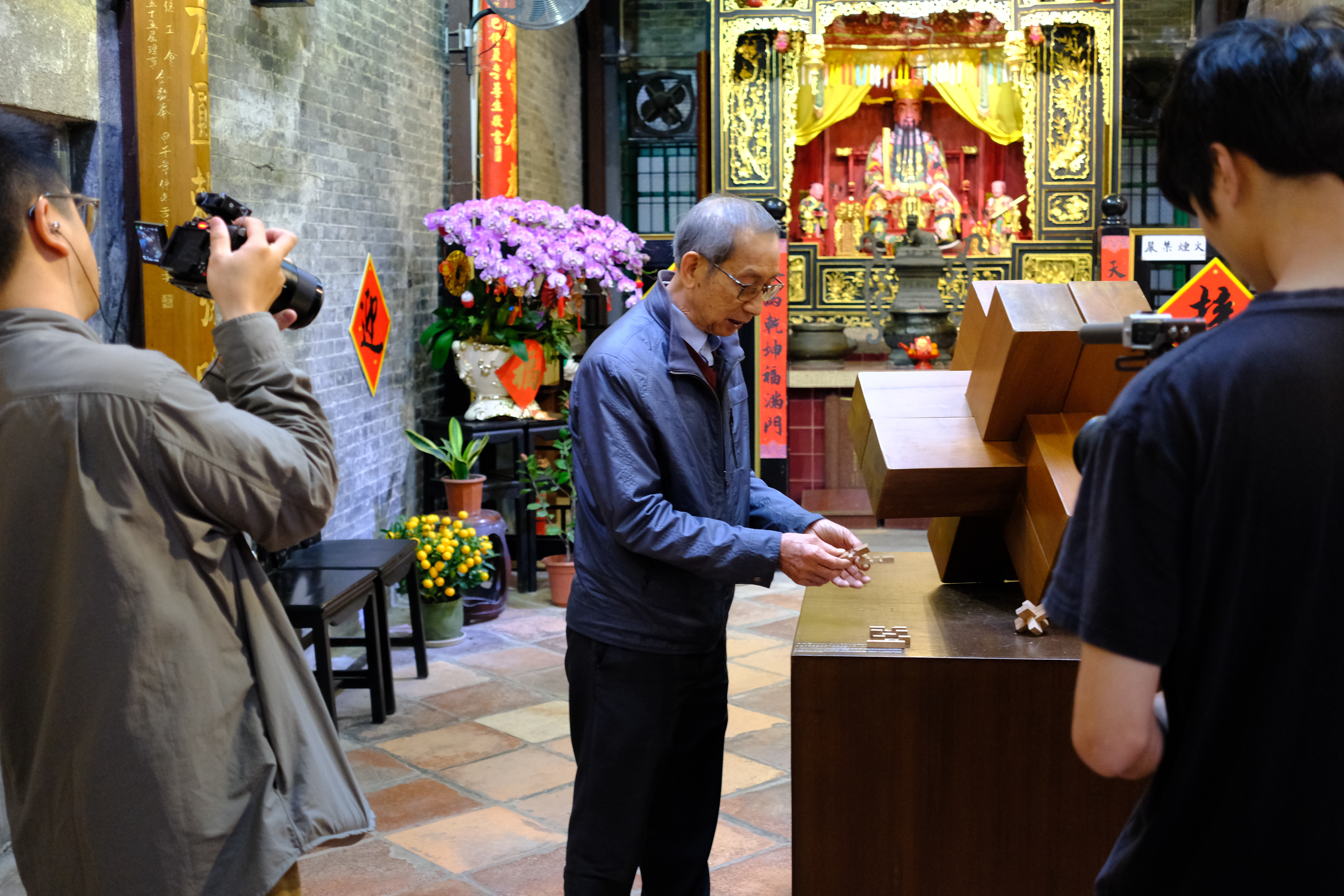
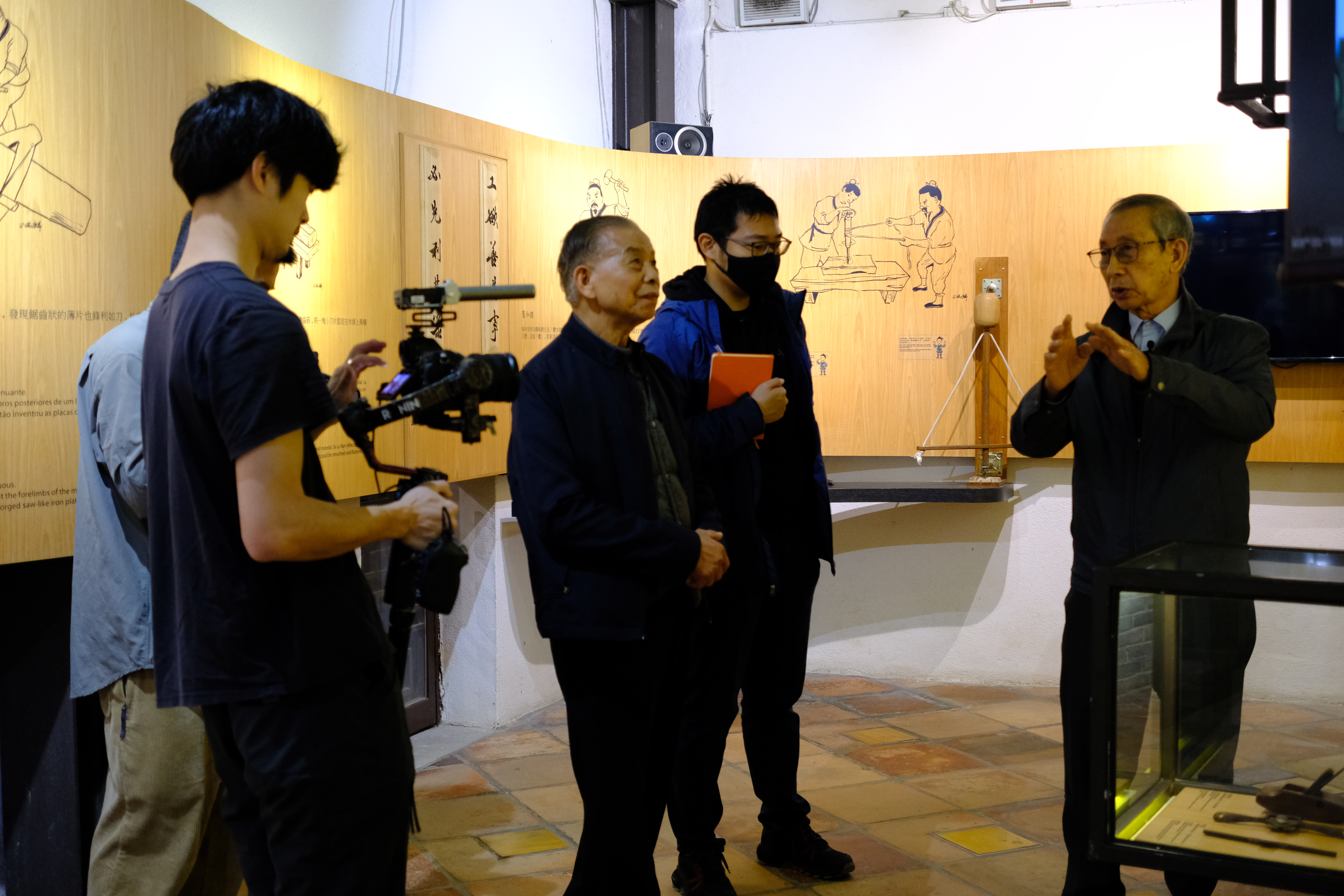
The Seong Ka Carpenters Hall, an early guild hall in Macau, now partially serves as the Lu Ban Master’s Woodcraft Exhibition Hall to honour Lu Ban’s contributions and showcase traditional Macanese woodcraft. The hall remains a hub for local carpenters, fostering the craft’s promotion and skill inheritance, with retired leaders like Master Vong and Master Ceoi actively involved in these efforts.






CURB © 2024 All Rights Reserved.