

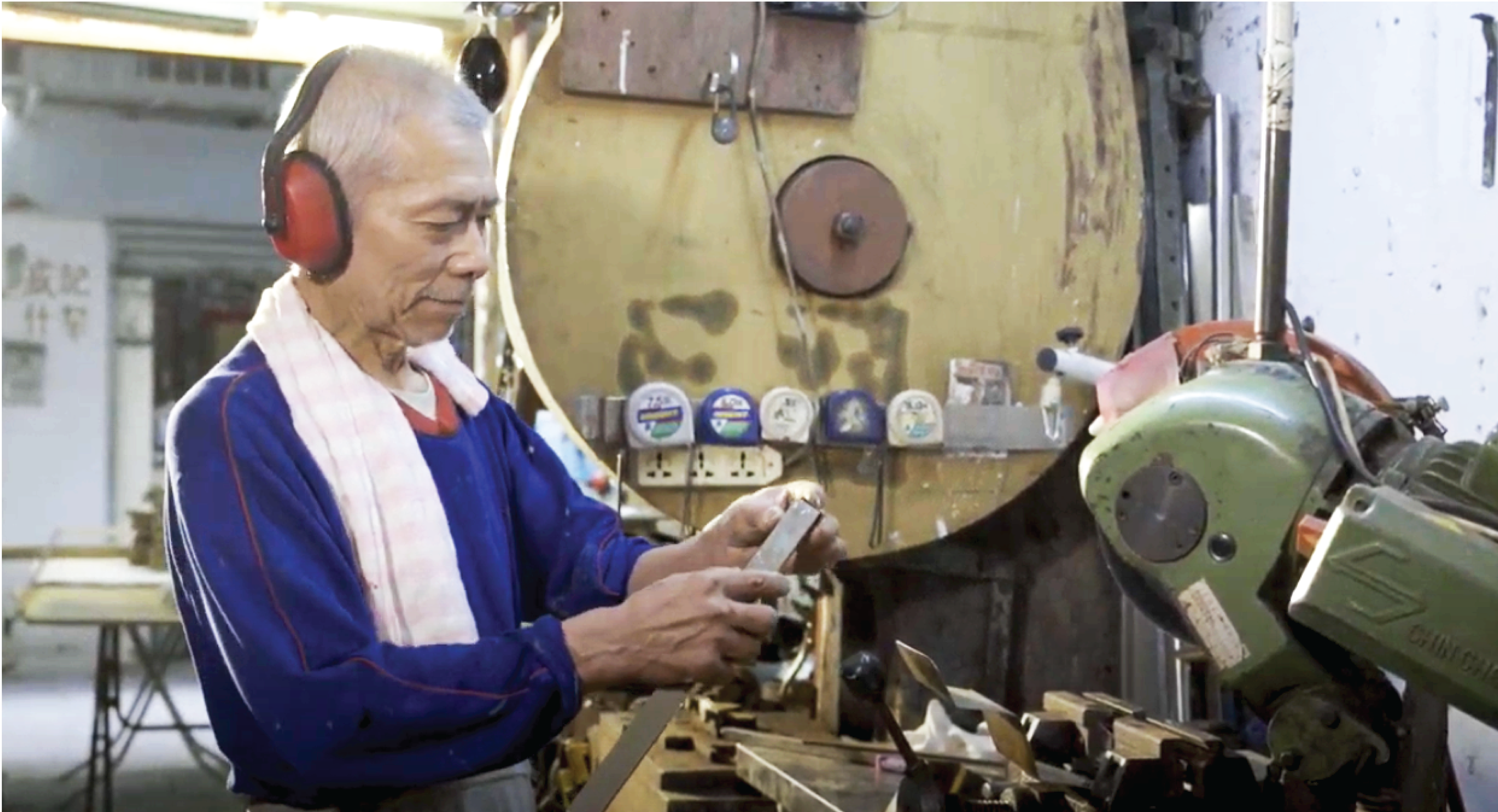
Metals like iron, steel, and aluminium are essential in our daily lives, serving as the foundation for many applications due to their strength, durability, and versatility. Historically, metalwork has been vital to human progress. In places like Macau, the art of metal craftsmanship is deeply embedded in the city’s fabric, though often underappreciated due to the ubiquity of mass-produced metal goods. Local workshops once provided custom metalwork, contributing to both the economy and the city’s aesthetic. These practices reflect a rich sociocultural history, intertwining Macau’s economic growth with its artisanal heritage.
Macau’s industrial history, though not economically dominant, is interwoven with its social and historical fabric, having evolved from traditional crafts to mechanised production, especially in metal and machinery post-1970s due to demand from construction and shipbuilding.
The blacksmith trade, requiring resilience and passed down through generations, expanded with the city’s growth in the late 20th century, meeting the demands for metal structures and security installations, and leaving a lasting mark on Macau’s old districts.
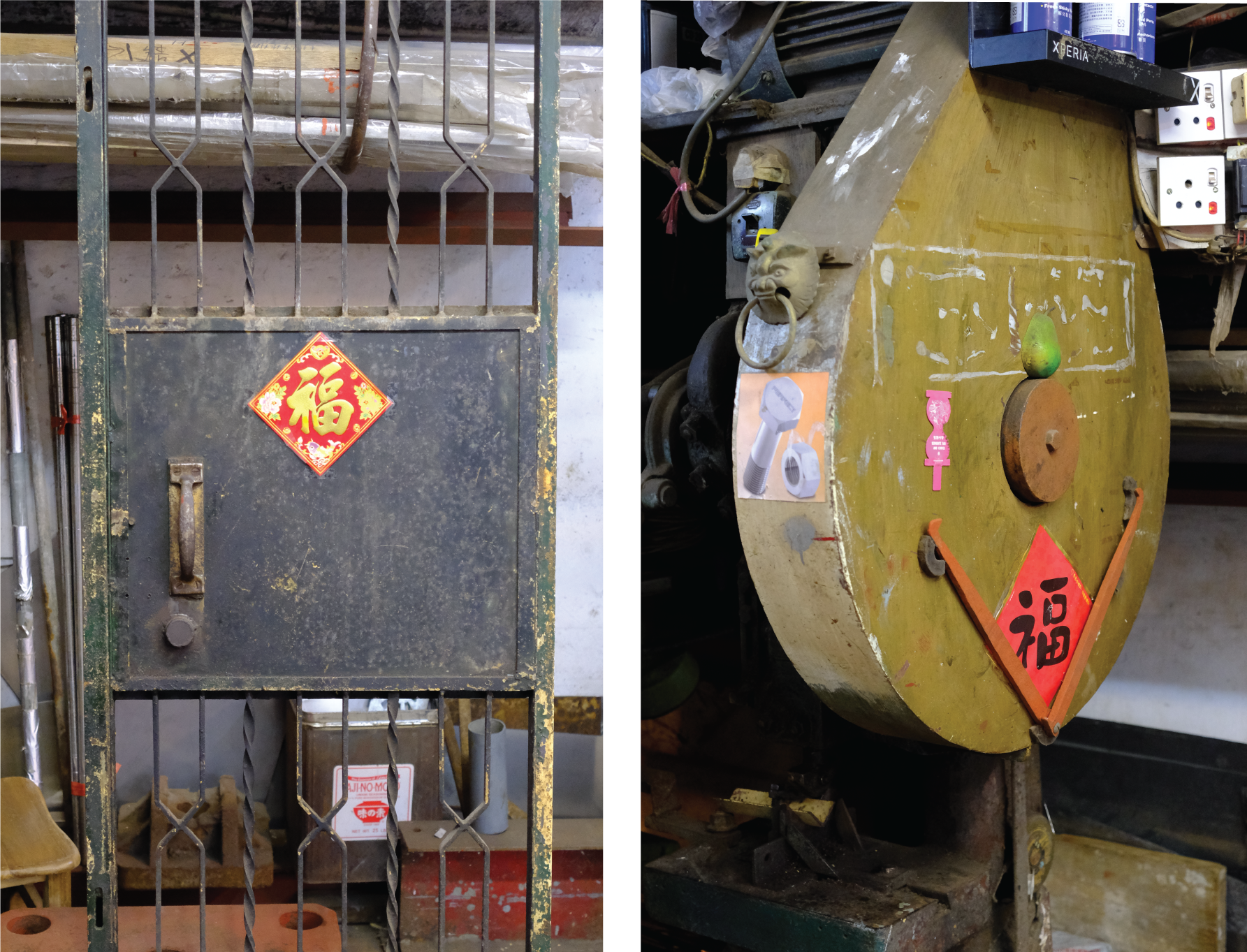
Ironwork in Macau involves a range of metal processing techniques beyond traditional forging, contributing to the city’s landscape with locally crafted, diverse metal products like door frames, water basins, and decorative ironwork, all tailored to specific needs.

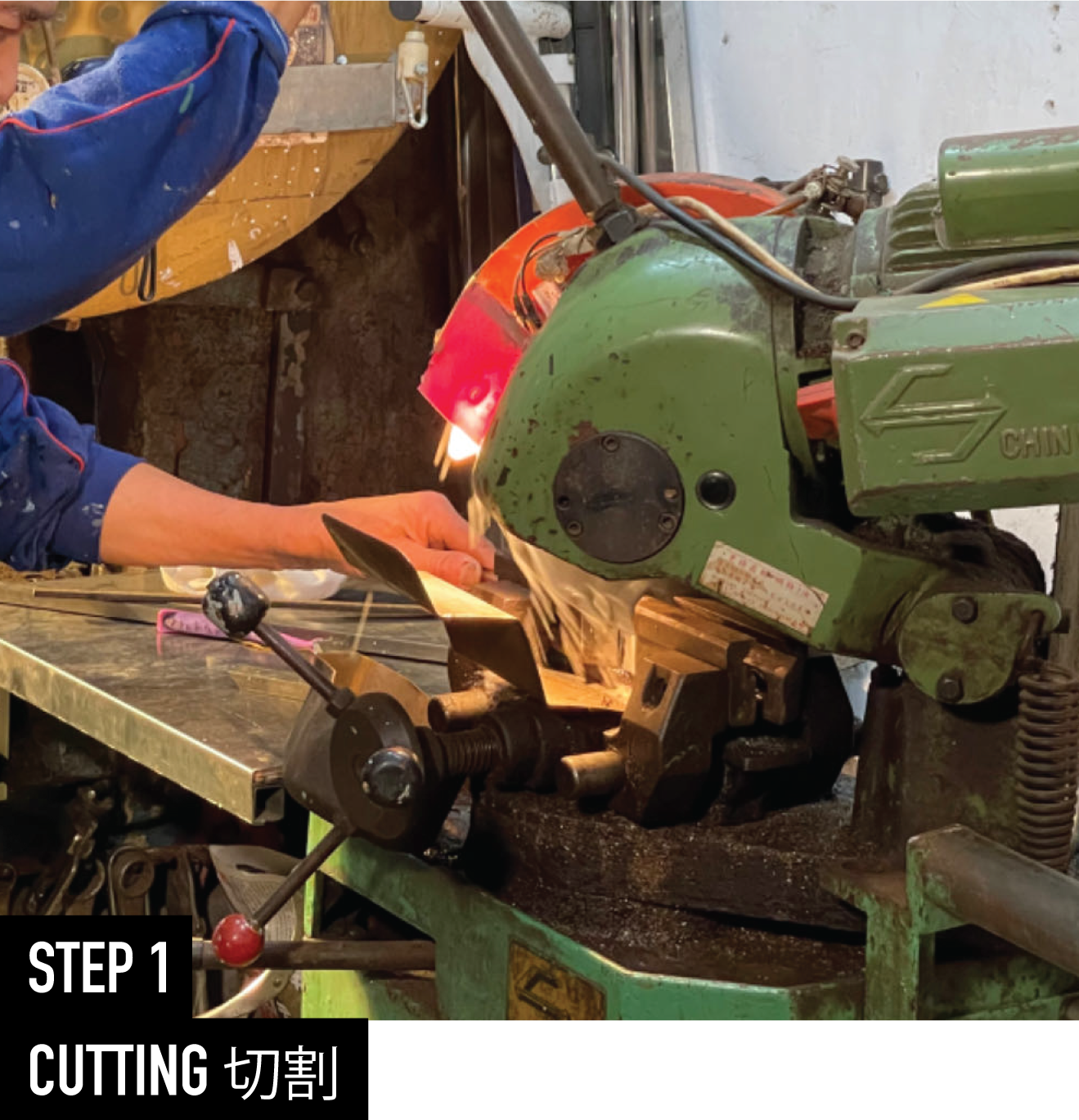


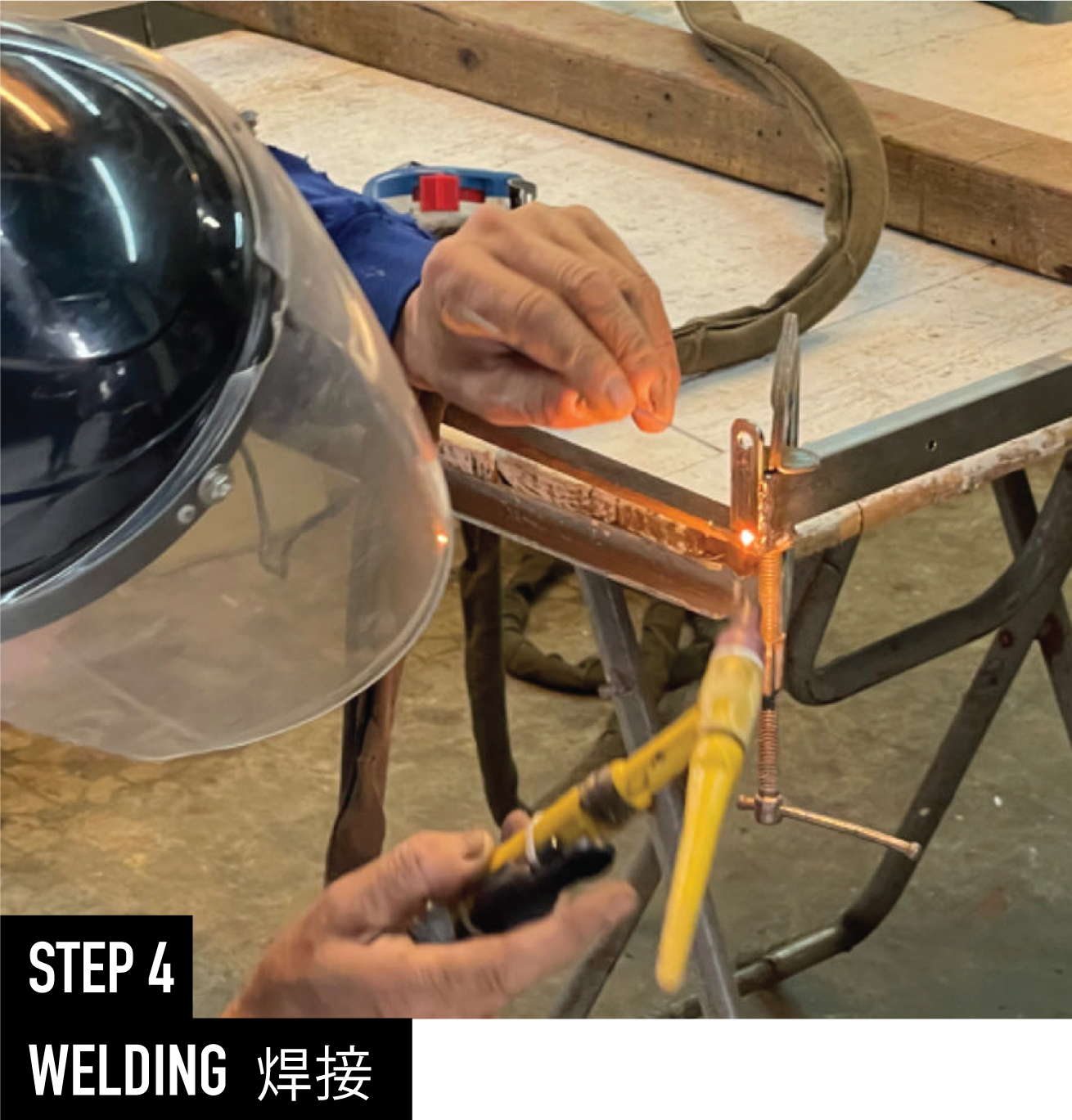
This involves using a metal saw to cut sheets into desired shapes. Due to the heat and wear produced, cutting fluid is essential for cooling, lubrication, and rust prevention.
Sheet metal is bent into different shapes, angles, and sizes using a folding machine. This process is crucial for shaping metal plates for various applications.
Metals are deformed under pressure to create specific structures. Stamping presses, equipped with various dies, can swiftly cut metal bars or angles.
Metals are joined by heating with a gas flame or arc, melting solder to connect parts without melting the workpieces themselves, ideal for lightweight materials.

Metalwork, once a staple of daily life and craftsmanship, is undergoing a significant transformation due to technological advancements and the rise of mass production. The shift towards factory-made, standardised products has made traditional, locally-crafted metal items scarce, altering the industry’s ecosystem and challenging the survival of artisanal methods.
In Macau, the economic reality of high production costs and a small market has diminished the viability of individual metal craftsmen. The push for specialisation, along with strict environmental and safety regulations, has further strained the traditional craftsman’s role. Despite these challenges, efforts are being made to preserve the city’s rich heritage of metalwork, with students and artists collaborating with craftsmen to document and maintain the legacy of their trade. The old quarters of Macau still hold traces of this history, symbolising the enduring spirit of its craftsmen.
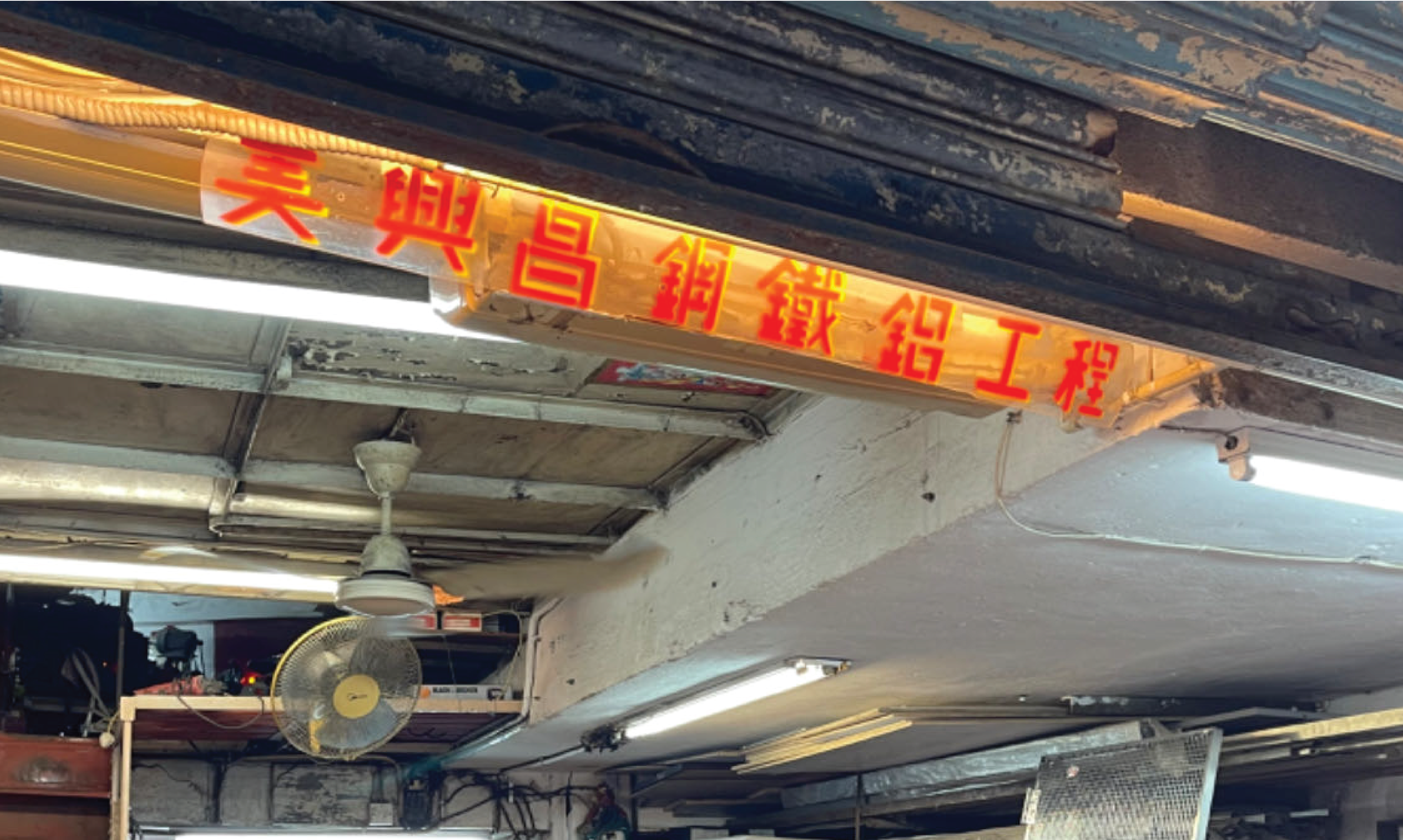
Mei Cheong Heng Steel and Aluminum Engineering, located at 5 Beco da Melancia, is a symbol of lasting craftsmanship. Led by master Mr. Sam Veng Kok, the workshop has grown from modest roots to a hub of metalwork innovation. Over fifty years, Mr. Sam has refined his skills and modernised his practice with advanced machinery, creating everything from iron cages to gates and rooftop structures that embody the city’s development and his own mastery.







CURB © 2024 All Rights Reserved.