

“Magic Carpet” is a community initiative that encourages local participation and re-observation of neighbourhoods in a unique way. The project, led by CUHK, had pilot projects in Hong Kong and Taiwan in 2013. The first edition in Macau focused on re-envisioning the South Inner Harbour, bringing stakeholders together for workshops, discussions, and local food. This year’s edition will highlight traditional crafts in Macau, involving craftsmen who play a vital role in the city’s history and urban development.

workshops

sharing section

traditional crafts exhibition

traditional games

snacks

The Magic Carpet Macau is a community engagement project curated by CURB – Center for Architecture and Urbanism. “𝗥𝗲–𝗲𝗻𝘃𝗶𝘀𝗶𝗼𝗻𝗶𝗻𝗴 𝗠𝗮𝗰𝗮𝘂’𝘀 𝗧𝗿𝗮𝗱𝗶𝘁𝗶𝗼𝗻𝗮𝗹 𝗖𝗿𝗮𝗳𝘁𝘀” will have events that are closely related to the city’s Traditional Crafts. It includes family-friendly craft workshops that welcome all, Macau’s traditional crafts exhibition, traditional games, video screening and sharing session, drinks and traditional delicacies.
活動流程 | 𝗘𝗩𝗘𝗡𝗧 𝗣𝗥𝗢𝗚𝗥𝗔𝗠𝗠𝗘
開放登記 | 𝗥𝗲𝗴𝗶𝘀𝘁𝗿𝗮𝘁𝗶𝗼𝗻: 𝟭𝟱:𝟯𝟬
製作工作坊 | 𝗖𝗿𝗮𝗳𝘁 𝗪𝗼𝗿𝗸𝘀𝗵𝗼𝗽𝘀: 𝟭𝟲:𝟬𝟬 – 𝟭𝟴:𝟬𝟬
瓷磚製作 | TILE MAKING
竹棚建造 | BUILD WITH BAMBOO
開幕禮 | 𝗢𝗽𝗲𝗻𝗶𝗻𝗴 𝗖𝗲𝗿𝗲𝗺𝗼𝗻𝘆: 𝟭𝟴:𝟬𝟬 – 𝟭𝟴:𝟯𝟬
社區放映會 | 𝗖𝗼𝗺𝗺𝘂𝗻𝗶𝘁𝘆 𝗦𝗰𝗿𝗲𝗲𝗻𝗶𝗻𝗴 & 𝗦𝗵𝗮𝗿𝗶𝗻𝗴 𝗦𝗲𝘀𝘀𝗶𝗼𝗻: 𝟭𝟴:𝟯𝟬 – 𝟮𝟬:𝟯𝟬
作品I : 神香 | Screening I: Incense
作品II : 造字 | Screening II: Typemaking
作品III : 葡磚 | Screening III: Portuguese Tiles
作品IV : 木藝 | Screening IV: Carpentry
作品V : 竹棚 | Screening V: Bamboo Scaffolding
作品VI : 鐵藝 | Screening VI: Metalworking

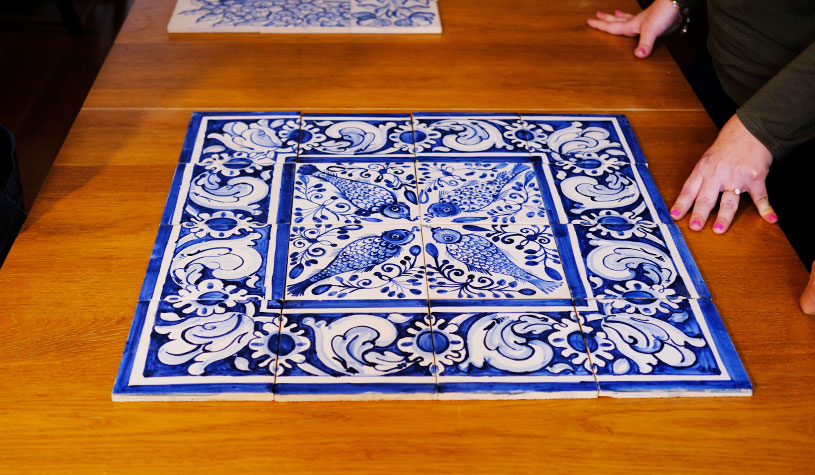
Tile Making
This workshop will teach participants about Portuguese Tile making. With a long and rich history, the Portuguese Tiles have been present in Macau for over 400 years and are a key element of its architectural and cultural identity.
The workshop is open to all ages and will allow the participants to learn this craft in a community environment. Besides learning more about this craft, participants will discover how to paint Portuguese Tiles using the “majolica” technique in creative illustrations to later form one art piece in group.
Instructors: Sérgio Feiteira and Sara Figueira
Maximum number of participants: 15
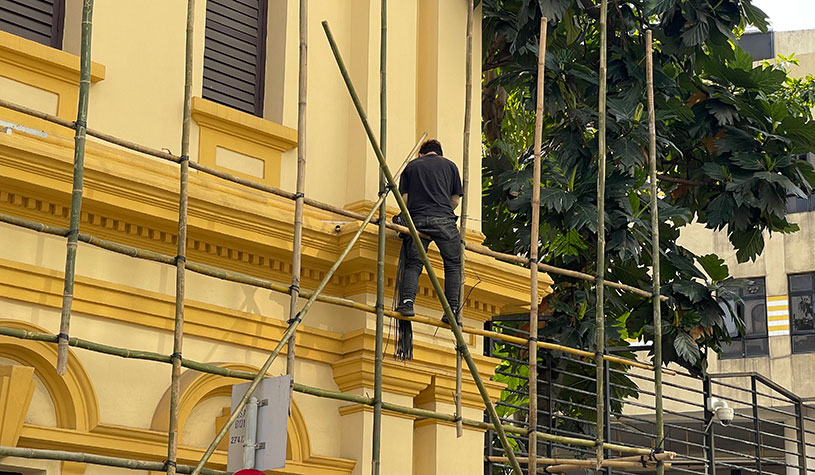
Build with Bamboo
As a traditional construction technique integral to Macau’s cityscape, bamboo can be used to create strong, flexible structures for various uses, including temporary scaffolds for building support.
This workshop will allow participants to learn and assist in the construction of a small bamboo pavilion by learning how to utilize bamboo poles and tie with intricate knots.
Instructors: Kin Vek Scaffolding Engineering Company Limited
Maximum of participants: 15







Wood and timber have been essential in building and crafting since ancient times, especially in China where they were valued for their quality and workability. Over the centuries, the construction industry has honed woodworking skills, tools, and techniques, influencing various aspects of life and architecture. In Macau, “Seong Ka” represents a collective of building trades, now including wood carpentry, cement work, and painting. Seong Ka carpentry is renowned for its detailed techniques and cultural importance, playing a crucial role in preserving Chinese heritage and contributing to Macau’s socio-cultural landscape.
Bamboo scaffolding is a traditional construction technique integral to Macau’s cityscape, utilizing bamboo poles tied with intricate knots to create strong, flexible structures for various uses, including temporary scaffolds for building support. Widely seen across Asian cities, particularly in southern China, Hong Kong, and Macau, this craft allows for the construction of buildings of all sizes and styles, from small houses to skyscrapers, due to bamboo’s availability. The method is known for its quick assembly and lightness, making it vital to Macau’s construction industry.
Incense sticks are aromatic tools that are mainly used for religious ceremonies. Originating from ancient Chinese traditions, they continue to hold ceremonial importance. In Macau, incense stick crafting is a cherished artisanal practice, deeply rooted in the region’s culture. These sticks are not only used in religious rituals but also embody Macau’s complex cultural identity and history, reflecting the area’s spiritual life and past economic reliance on local craftsmanship.
More
More
More





The etymology of the word “Azulejo” comes from the Arabic “az-zulayj” meaning “small polished stones,” was introduced by the Moors and later adapted by the Portuguese. In modern days, Portuguese tiles often combined Italian “majolica” painting techniques with Chinese blue-and-white porcelain patterns to create the distinctive glazed tiles seen in palaces and churches. After the 1755 Lisbon earthquake, the “Pombalinos” style emerged, blending industrial and handcrafted methods, making tiles widely available beyond nobility and clergy.
Signage is an essential aspect of a shop’s identity, silently conveying its message through design and symbols. It’s not just about providing information; it represents the shop’s core and history. In Macau, traditional hand-crafted signs blend calligraphy and typesetting, reflecting the owner’s, observer’s, and creator’s values. These signs are more than decoration; they tell the story of the business and the city, becoming part of the street’s own story.
Incense sticks are aromatic tools that are mainly used for religious ceremonies. Originating from ancient Chinese traditions, they continue to hold ceremonial importance. In Macau, incense stick crafting is a cherished artisanal practice, deeply rooted in the region’s culture. These sticks are not only used in religious rituals but also embody Macau’s complex cultural identity and history, reflecting the area’s spiritual life and past economic reliance on local craftsmanship.
More
More
More

CURB Center for Architecture and Urbanism is a non-profit institution established in Macau to promote research, education, production and dissemination of knowledge in architecture, urbanism, and urban culture.





CURB © 2024 All Rights Reserved.